What to expect during a foreclosure court case in New York
By Diego Bennett · Updated 2026-07-28
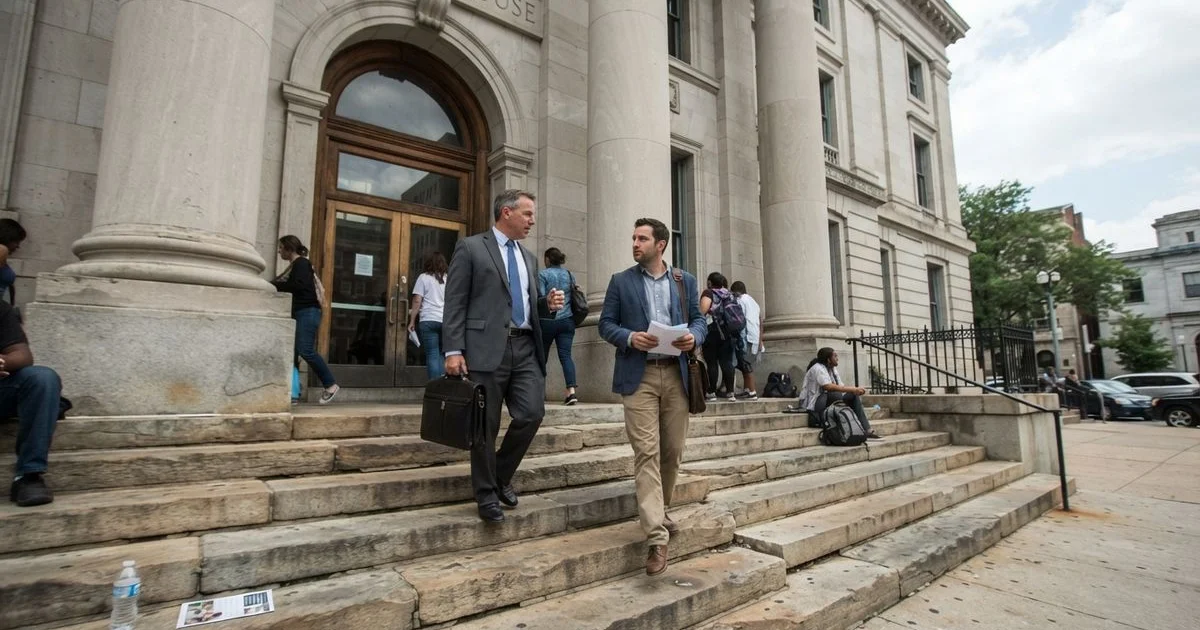
New York is one of a smaller group of states where a foreclosure has to go through the court system from start to finish. That structure gives homeowners more built-in opportunities to respond than a purely out-of-court process, but it also means the case can involve several distinct stages over many months.
The stages of a New York foreclosure case
1. Default and the 90-day notice. Before suing, most residential lenders must send a notice at least 90 days ahead, warning that foreclosure is coming and listing housing counseling resources.
2. Summons and complaint. This is the official start of the lawsuit. It is filed with the county clerk and served on you, and it starts the clock on your response deadline, typically a short window measured in weeks, not months.
3. Your answer. Filing a timely answer preserves defenses you may have, such as questions about who actually owns the loan, errors in the paperwork, or improper notice. Skipping this step risks a default judgment.
4. Mandatory settlement conference. For owner-occupied one-to-four family homes, New York courts schedule a settlement conference where the lender and homeowner discuss resolution options like loan modification before the case proceeds toward trial.
5. Litigation or resolution. If settlement talks do not resolve the case, it proceeds through motions and possibly trial. Many cases resolve before this point through a modification, repayment plan, short sale, or other agreement.
6. Judgment and sale. If the lender wins and no resolution is reached, the court issues a judgment of foreclosure and sale, which sets the amount owed and authorizes an auction.
What changes the timeline
| Factor | Effect on timeline |
|---|---|
| You respond with a timely answer | Adds time, but preserves your defenses and settlement conference rights |
| You do not respond | Case can move to default judgment much faster |
| Case involves standing or paperwork disputes | Often adds months of motion practice |
| Loan modification review is in progress | Court will typically pause the case while review is pending |
| Court’s own calendar and county | Varies significantly by county caseload |
Why the process matters for your decisions
Every stage above is also a decision point. The answer deadline is when you preserve legal defenses. The settlement conference is when loan modification or other workouts get discussed formally, with the court involved. Waiting until a sale date is scheduled removes most of these options, since fewer paths stay open the later you engage.
Who is actually involved in the case
Beyond you and your lender, a foreclosure case in New York typically involves the county clerk’s office where documents are filed, the assigned judge or court referee overseeing the case, and often a court-appointed referee specifically for the settlement conference process. If the case reaches a judgment and sale, a referee is also appointed to conduct the actual auction. Understanding these roles helps make sense of the different notices and appearances that come up, since not every document or hearing involves the same person.
Reading your court papers correctly
The summons and complaint will state a specific deadline to respond, usually counted in days from when you were served, not from the date printed on the document. Getting this date wrong is one of the more common and costly mistakes homeowners make when handling the early stages themselves. If you are unsure exactly when you were served or how the deadline is calculated, that is worth confirming with an attorney immediately rather than guessing, since a late answer can be treated the same as no answer at all.
What a contested case looks like versus an uncontested one
Many foreclosure cases in New York resolve without ever reaching a full trial, either through a settlement conference outcome, a loan modification, or a negotiated resolution like a short sale. A contested case, where the homeowner raises substantive defenses like lack of standing or notice errors, proceeds through motion practice, where each side files arguments for the judge to review, and can take significantly longer than an uncontested case. Knowing early which category your situation likely falls into helps set realistic expectations for both timeline and cost.
An attorney who handles this work regularly can tell you, based on your court papers, exactly which stage you are in and what deadline is next. You can compare foreclosure defense litigation attorneys serving Islip Metro, and this directory’s scoring method explains how those rankings are built. The homepage is the starting point if you want to browse other categories, like loan modification or bankruptcy, alongside litigation defense.
This article is general information about how New York’s court process works, not legal advice about your specific case.
Common questions
- Is New York a judicial foreclosure state?
- Yes. New York requires a lender to sue in court and obtain a judgment before a property can be sold at a foreclosure auction. This is different from non-judicial states, where a lender can foreclose out of court.
- How long does a foreclosure case take in New York?
- Timelines vary widely by county and whether the case is contested, but judicial foreclosures in New York commonly take a year or longer from the filed summons to a completed sale, especially when a homeowner responds and requests a settlement conference.
- What happens if I do not respond to the summons and complaint?
- The court can enter a default judgment against you, which allows the case to move toward a sale much faster. Responding by the deadline in the papers preserves your ability to raise defenses and request a settlement conference.
- Do I have to go to court in person?
- For most stages, your attorney can appear on your behalf. The mandatory settlement conference for owner-occupied homes typically expects the homeowner to attend, sometimes with the option to appear by phone or video depending on the court.
Related on this site
- Browse foreclosure defense litigation providers
- Best foreclosure defense litigation in Islip Metro →
- What a foreclosure defense attorney costs in New York
- Can you fight a foreclosure without hiring a lawyer?
- What happens at a mandatory settlement conference in a New York foreclosure case
- Standing to foreclose: how homeowners challenge who owns their loan
- All guides →