Can you fight a foreclosure without hiring a lawyer?
By Diego Bennett · Updated 2026-08-03
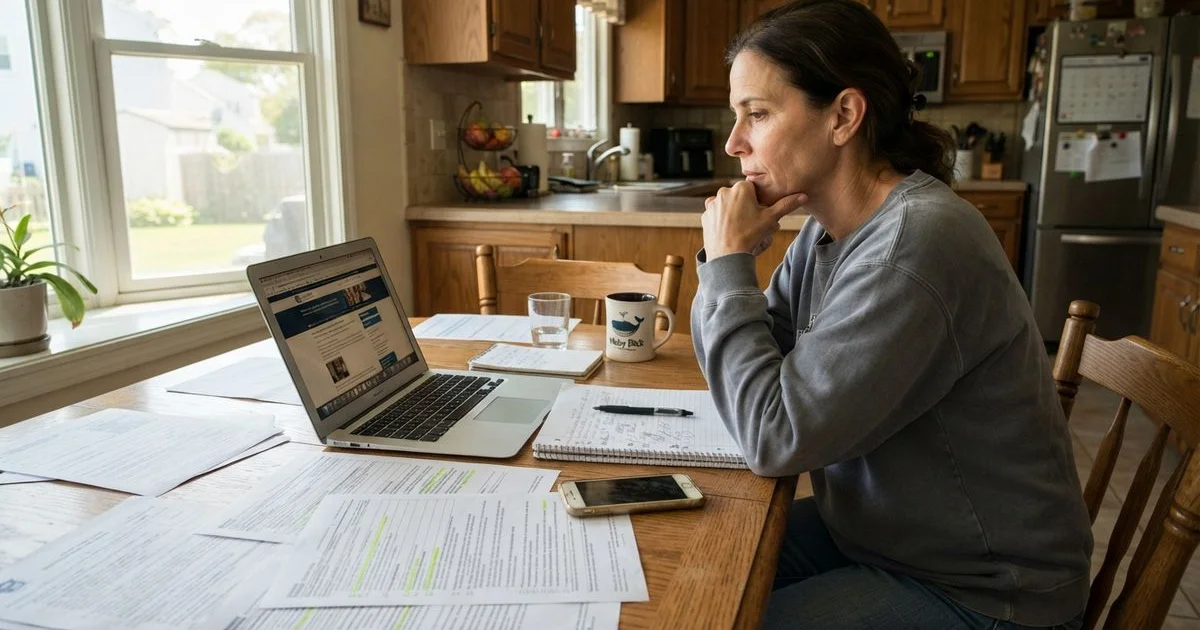
You are allowed to represent yourself in a New York foreclosure case at every stage, from filing your answer to appearing at the settlement conference. Some homeowners do this successfully, especially when the case is simple and the goal is just to buy time or negotiate directly with the lender. Others run into trouble because foreclosure procedure has real technical requirements that are easy to get wrong without training.
What self-representation actually involves
If you choose to go it alone, you are responsible for filing a timely, legally sufficient answer to the summons and complaint, showing up to any scheduled conferences or hearings, and understanding what paperwork the court and the lender’s attorney send you. The settlement conference itself is designed to be somewhat accessible to homeowners without a lawyer present, since its purpose is to explore loan modification and other resolution options directly.
Where self-representation tends to work
- The case is simple, with one lender and no disputes over who owns the loan.
- Your main goal is negotiating a loan modification or repayment plan, not contesting the debt itself.
- You are comfortable reading legal notices carefully and meeting every stated deadline.
- You have already gotten a free consultation with an attorney to sanity-check your plan, even if you do not retain them for ongoing representation.
Where it tends to go wrong
Foreclosure defenses like lack of standing, improper notice, or errors in how the loan was assigned between lenders have to be raised in your answer using specific legal language, or they can be considered waived later in the case. A missed response deadline can result in a default judgment, which removes most of your options at once. These are the situations where an attorney’s experience with local court procedure and paperwork tends to pay for itself.
A quick comparison
| Factor | Representing yourself | Hiring an attorney |
|---|---|---|
| Cost | No attorney fee, but your time | Fee varies by case stage and complexity |
| Procedural risk | Higher, especially on deadlines and defenses | Lower, attorney tracks deadlines |
| Complex defenses (standing, notice errors) | Difficult to raise correctly alone | Attorney can identify and properly assert them |
| Negotiating directly with lender | Possible, especially for simple modifications | Attorney often has a stronger negotiating position |
A middle path many homeowners use
You do not have to choose between fully representing yourself and paying for full-service litigation. A single paid consultation, or the free consultation many firms offer, can tell you whether your case has defenses worth pursuing and whether the paperwork you have received is even calculated correctly. From there, some homeowners handle simpler stages themselves and bring in an attorney only if the case gets contested.
What court staff can and cannot help with
Court clerks can answer procedural questions, like where to file a document or what the next scheduled date is, but they are not permitted to give legal advice about your specific case or tell you what defenses to raise. Many New York counties also run a court-based help program specifically for self-represented homeowners in foreclosure cases, staffed by volunteer attorneys who can review your paperwork and answer general questions, even if they cannot represent you formally. Asking the court clerk’s office whether this resource exists in your county is worth doing before you assume you are entirely on your own.
A realistic self-assessment before you decide
Before committing to self-representation, be honest about a few things: whether you can reliably track and meet deadlines without reminders, whether you are comfortable reading and responding to formal legal documents, and whether your case seems simple or seems to involve disputes over paperwork, loan ownership, or amounts owed. A case that is purely about negotiating a modification with no factual disputes is a very different undertaking than one where you suspect the lender’s documentation has real problems.
If you start alone and decide you need help later
Choosing to represent yourself at the start of a case does not lock you into that path. If the case becomes more complicated than expected, an attorney can typically step in at a later stage, though earlier is always better since some defenses have to be raised by specific deadlines. If you reach a point where you are unsure what to file or how to respond to something the lender’s attorney has submitted, that is a reasonable moment to bring in professional help rather than guessing.
You can compare attorneys who focus on foreclosure defense litigation in Islip Metro to see who offers a free first consultation, and this directory’s scoring method explains how those listings are ranked. Visit the homepage to browse other categories if your situation also touches bankruptcy or loan modification.
This article is general information, not legal advice. Whether self-representation is workable depends heavily on the specifics of your case.
Common questions
- Can I legally represent myself in a New York foreclosure case?
- Yes. You have the right to appear pro se, meaning without an attorney, at any stage of the case, including the answer, settlement conference, and any hearings.
- What is the biggest risk of representing yourself?
- Missing a procedural deadline or filing an answer that does not properly preserve your defenses. Foreclosure defenses like lack of standing or notice errors have to be raised in specific ways, and a missed technicality can waive them entirely.
- Are free legal resources available if I cannot afford an attorney?
- Yes. Housing counselors, court-based legal help programs, and legal aid organizations serve homeowners in foreclosure, and many attorneys also offer a free initial consultation even if you plan to handle later stages yourself.
- Does self-representation make the case go faster?
- Not necessarily. Courts hold self-represented homeowners to the same procedural rules as attorneys, and errors can actually slow a case down or trigger a default judgment if a deadline is missed.
Related on this site
- Browse foreclosure defense litigation providers
- Best foreclosure defense litigation in Islip Metro →
- What a foreclosure defense attorney costs in New York
- What to expect during a foreclosure court case in New York
- What happens at a mandatory settlement conference in a New York foreclosure case
- Standing to foreclose: how homeowners challenge who owns their loan
- All guides →