What happens at a mandatory settlement conference in a New York foreclosure case
By Diego Bennett · Updated 2026-08-13
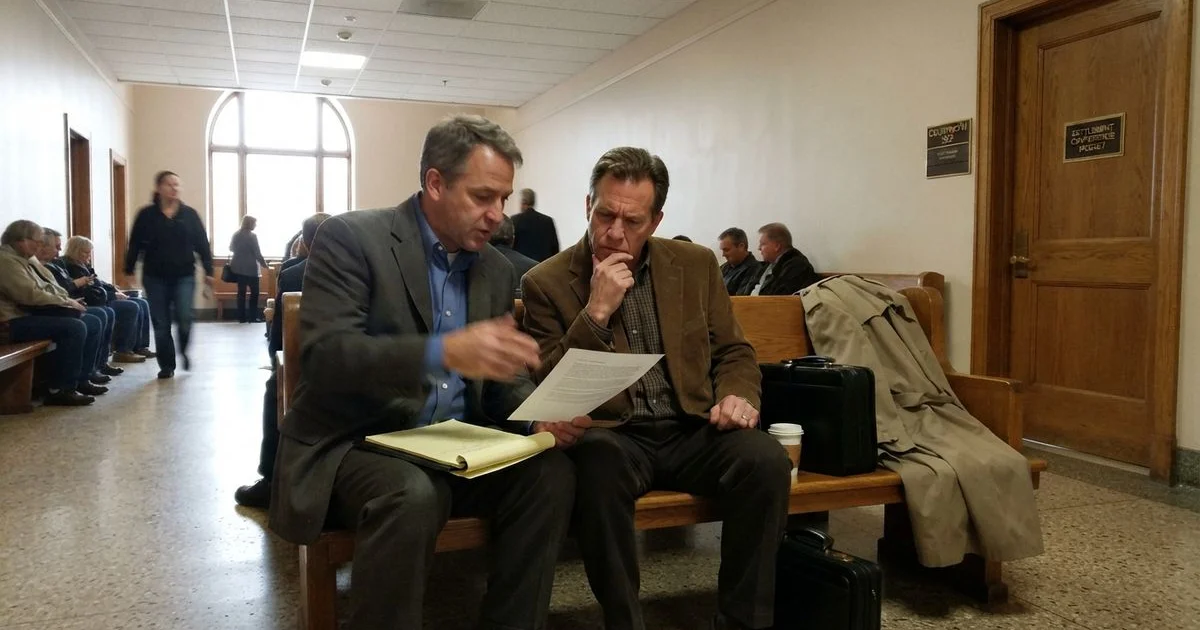
For homeowners in an owner-occupied one-to-four family home, New York requires the court to schedule a mandatory settlement conference before a foreclosure case can move toward trial. It is one of the more homeowner-friendly features of the state’s process, and understanding what actually happens in that room can make it far less intimidating.
What the conference is for
The settlement conference exists to give both sides a structured opportunity to discuss resolution before the case escalates into full litigation. A court referee or judicial hearing officer typically oversees the conversation. The lender’s representative is required to have settlement authority, meaning they can actually agree to terms, not just report back to someone else. The most common topic on the table is loan modification, though repayment plans and other options can come up too.
How the conference usually unfolds
The first conference date is often more about exchanging documents than reaching a final agreement. The lender may request income verification and financial paperwork to evaluate you for a modification. If that review is not complete, the court frequently adjourns the case to another conference date rather than closing the door. This can mean several conference sessions over a period of months while a modification application moves through underwriting.

How to prepare
| Step | Why it matters |
|---|---|
| Gather recent income documents | Lenders need this to evaluate modification eligibility |
| Bring copies of every notice received | Helps confirm the case timeline and any procedural issues |
| Know your monthly budget | You will need to speak honestly about what payment is sustainable |
| Ask your attorney what outcome is realistic | Sets expectations before you walk in |
| Follow up promptly on any requested paperwork | Delays in submitting documents can stall the whole process |
Why representation helps here
You are allowed to attend a settlement conference without an attorney, and the process is designed to be somewhat accessible on your own. That said, an attorney who regularly appears at these conferences knows what a realistic modification offer looks like, can push back if the lender’s numbers seem off, and can flag procedural issues, like standing or notice problems, that might not come up in a purely informal negotiation.
How many conferences to expect
There is no fixed number. A case where the modification review moves smoothly might resolve in two or three conference dates. A case where paperwork keeps getting lost, income documents expire and need to be resubmitted, or the lender’s representative changes partway through can stretch to six or more sessions over the better part of a year. This is frustrating, but it is also fairly normal, and it does not mean your case is going poorly. Courts generally keep scheduling additional dates as long as genuine progress is being reported on both sides.
What counts as progress, and what does not
Courts want to see that the modification review is actually moving, not just that both sides are showing up. Submitting requested documents on time, responding to the lender’s requests for updated income information, and keeping your attorney informed of any changes in your situation all count as progress. Missing document deadlines, ignoring the lender’s requests, or failing to appear at a scheduled conference date can lead the court to end the conference process and move the case toward litigation, since the settlement track only works if both sides participate in good faith.
What if the lender is not negotiating in good faith
Occasionally a homeowner feels the lender’s representative is stalling, repeatedly losing submitted paperwork, or not genuinely evaluating the modification. Courts do have tools to address this, including compelling the lender to respond or, in more serious cases, sanctions for bad-faith conduct. An attorney who has seen this pattern before in other cases can recognize it early and raise it with the court rather than letting months pass without real movement.
You can compare attorneys who handle foreclosure defense litigation and settlement conference representation in Islip Metro, and this directory’s scoring method explains how those listings are ranked. Visit the homepage if you also want to compare loan modification specialists directly.
This article is general information about New York court procedure, not legal advice. Settlement conference practices can vary by county.
Common questions
- Who has to attend the settlement conference?
- The homeowner and a representative from the lender with authority to negotiate, along with each side's attorney if represented. Some courts allow the lender's representative to appear by phone.
- What can actually be resolved at a settlement conference?
- The conference is meant to explore loss mitigation options such as loan modification, repayment plans, or other alternatives to foreclosure. It does not automatically decide the case, but it is a required, structured chance to negotiate.
- What documents should I bring to the conference?
- Recent pay stubs or income documentation, a copy of the notices and summons you received, and any communication with your loan servicer about modification review. Your attorney or the court's instructions will specify exactly what is needed.
- What happens if the conference does not resolve the case?
- The court may schedule additional conference dates if progress is being made, such as an active modification review, or the case can proceed toward litigation if no resolution seems achievable.
Related on this site
- Browse foreclosure defense litigation providers
- Best foreclosure defense litigation in Islip Metro →
- What a foreclosure defense attorney costs in New York
- What to expect during a foreclosure court case in New York
- Can you fight a foreclosure without hiring a lawyer?
- Standing to foreclose: how homeowners challenge who owns their loan
- All guides →