What happens to your home and your right to stay during a New York foreclosure
By Diego Bennett · Updated 2026-08-05
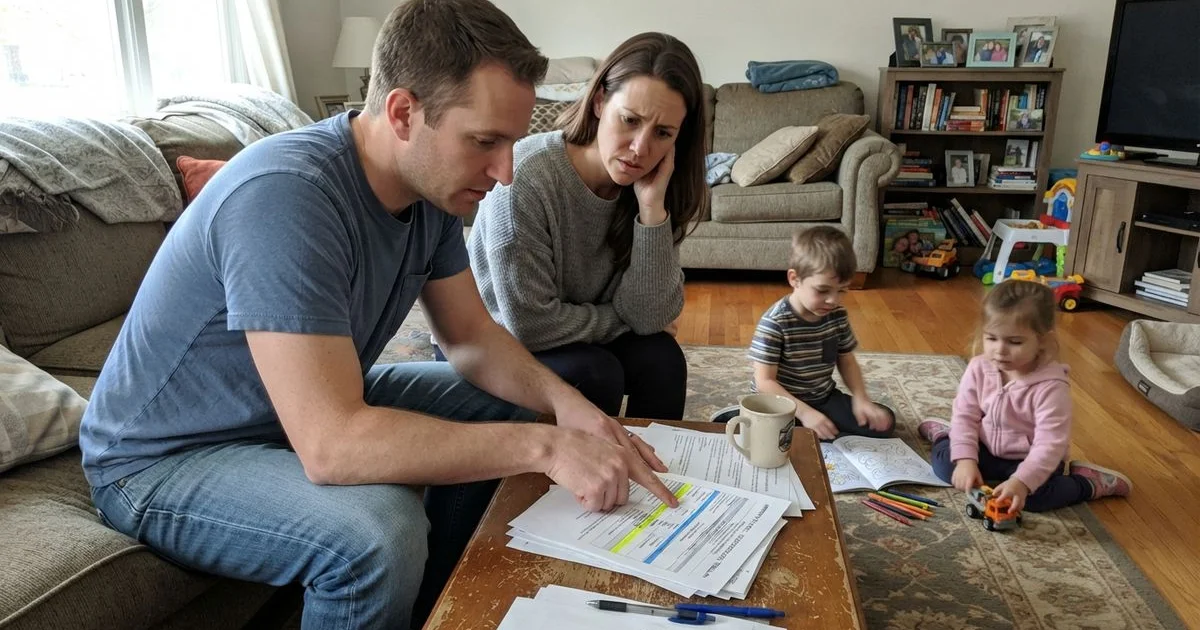
One of the most common fears homeowners have when they are served foreclosure papers is that they will be forced out of their home right away. In New York, that is not how the process works. Being sued does not equal being evicted, and there are several stages between a filed lawsuit and an actual move-out date.
The lawsuit and eviction are separate processes
A foreclosure summons and complaint start a court case about the mortgage debt and whether the lender can sell the property. It does not, by itself, remove you from the home. New York’s judicial process means a case has to run through an answer period, often a mandatory settlement conference, and potentially further litigation before a judgment is even entered. All of that time, you generally remain in the home as long as you are not violating any court order.
What happens after a sale
If the case is not resolved and the property is sold at a foreclosure auction, the winning bidder or the lender still typically needs to take a separate legal step to obtain possession if the former owner has not already left. This post-sale period is not indefinite, but it is a distinct legal process with its own notice requirements, not an automatic same-day removal.

A rough sequence of what determines when you might have to leave
| Stage | Do you have to leave? |
|---|---|
| Notice of default or 90-day letter | No, no lawsuit has been filed yet |
| Summons and complaint served | No, the case is just beginning |
| Settlement conference and litigation | No, as long as the case is ongoing |
| Judgment of foreclosure and sale entered | No, this authorizes a sale but is not itself an eviction |
| Foreclosure sale completed | Possibly soon after, once the new owner pursues possession through the proper legal process |
Options if you want to stay, or if you are ready to move on
If staying in the home is your priority, options like loan modification, a repayment plan, or a Chapter 13 bankruptcy filing are all aimed at preventing the sale from happening in the first place. If you have decided moving on makes more sense, a short sale or deed-in-lieu arrangement can sometimes include a negotiated timeline for when you leave, which gives more certainty than waiting for the process to run its full course.
Your responsibilities while the case is pending
Remaining in the home does not mean the property can be neglected. Most mortgages require the homeowner to maintain the property, keep it insured, and continue paying property taxes even during an active foreclosure case, unless those obligations have shifted as part of a specific agreement. Letting insurance lapse or falling behind on taxes on top of the mortgage default can create additional complications, including the lender adding those costs to what you owe or, in some cases, taking steps to protect its interest in the property. Staying current on these secondary obligations, even while the mortgage itself is in default, keeps your situation from getting more complicated than it needs to be.
Renters living in a home facing foreclosure
If you are renting a home that is going through foreclosure, rather than a homeowner, different rules generally apply to protect your tenancy, particularly if you have a valid lease. A new owner after a foreclosure sale typically cannot remove an existing tenant with a lease as quickly as they could remove a former owner, though the exact protections depend on your lease terms and the circumstances of the sale. If you are renting a property you suspect is in foreclosure, it is worth confirming your specific rights with a tenant’s rights organization or attorney rather than assuming the process works the same way it would for the owner.
Getting ahead of the transition, if one is coming
If it looks like a sale is likely, planning your own timeline ahead of time, rather than waiting to be told to leave, generally gives you more control over the process. Some homeowners negotiate a specific move-out date and even a small relocation payment as part of resolving the case, an arrangement sometimes called cash for keys. This is worth discussing directly with an attorney if you have concluded that keeping the home is not realistic.
Talking to an attorney early helps you understand which of these paths actually fits your situation and your timeline. You can start from the homepage to browse attorneys by category, including bankruptcy, loan modification, and foreclosure defense litigation, and this directory’s scoring method explains how those rankings are built.
This article is general information, not legal advice, and post-sale procedures can vary by county and case. Confirm your specific situation with a licensed attorney.
Common questions
- Do I have to move out as soon as I am served foreclosure papers?
- No. Being served a summons and complaint starts a lawsuit, not an eviction. You generally have the right to remain in your home throughout the court case, which can take many months.
- When would I actually have to leave my home?
- Only after the case concludes with a completed foreclosure sale and any post-sale eviction process runs its course. Until a sale happens and the new owner takes legal steps, you typically are not required to leave.
- Can I be evicted immediately after the auction?
- Not usually immediately. The winning bidder or lender generally has to go through a separate legal process to obtain possession, which gives homeowners additional time even after a sale occurs.
- Does staying in the home affect my case?
- Generally no, as long as you maintain the property and do not violate any court orders. Some homeowners negotiate a move-out timeline or cash-for-keys arrangement as part of resolving the case.