Can you sell your house to avoid foreclosure? Short sales and deed in lieu explained
By Diego Bennett · Updated 2026-08-11

Not every homeowner facing foreclosure wants to, or can, keep the house. If the numbers do not work long term, selling the property on your own terms is often a better outcome than letting a foreclosure run its full course. Two main paths exist for this: a short sale and a deed in lieu of foreclosure. If you are still early in the process and not sure this is the right direction yet, the guide on what to do right after a missed payment covers the earlier decision points first.
Short sale: selling for less than what is owed
A short sale means listing and selling the home to a buyer for less than the outstanding mortgage balance, with the lender’s approval. Because the lender is agreeing to accept less than it is owed, it typically wants to see documentation of your financial hardship and confirmation that the sale price reflects fair market value. A well-negotiated short sale agreement addresses whether the lender will forgive the remaining balance, called a deficiency, or reserve the right to collect it later.
Deed in lieu: handing the property back directly
A deed in lieu of foreclosure skips the sale-to-a-buyer step entirely. Instead, you transfer ownership of the property directly to the lender, and in exchange the lender typically agrees to end the foreclosure case and, often, waive the deficiency. This route is usually faster than a short sale since there is no buyer to find, but lenders are more selective about accepting it, since they end up owning the property directly.
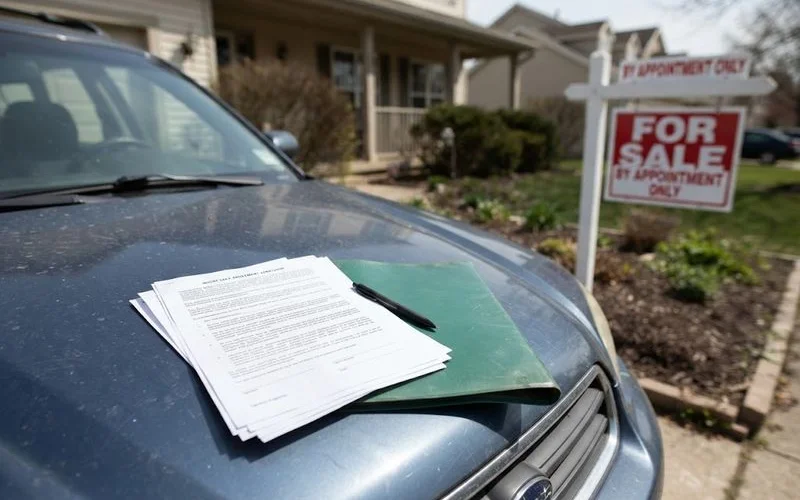
How the two options compare
| Factor | Short sale | Deed in lieu |
|---|---|---|
| Involves a buyer | Yes, an outside buyer purchases the home | No, the property goes directly to the lender |
| Typical timeline | Weeks to months, depends on finding a buyer | Often faster once approved |
| Lender approval required | Yes, for the sale price and terms | Yes, lenders are selective about accepting |
| Deficiency balance | Negotiable, address it in writing | Negotiable, address it in writing |
| Effect on credit | Negative, generally less than a completed foreclosure | Negative, generally less than a completed foreclosure |
Why the paperwork matters so much
The single biggest mistake homeowners make with either option is not getting the deficiency waiver in writing. Verbally being told the lender will not pursue you for the remaining balance is not the same as having that commitment documented in the closing paperwork. An attorney experienced in these negotiations knows what language protects you and what the lender is likely to accept.
Tax consequences worth understanding
When a lender forgives part of your mortgage debt through a short sale or deed in lieu, that forgiven amount can sometimes be treated as taxable income under federal tax rules, though exceptions and exclusions have applied to primary residences in various tax years. This is an area where the rules have changed over time, so it is worth confirming your specific situation with a tax professional or attorney rather than assuming either outcome. Do not let this uncertainty stop you from pursuing either option, but factor it into your planning rather than being surprised by it later.
How your timing in the foreclosure case affects these options
Both a short sale and a deed in lieu are generally easier to negotiate earlier in the foreclosure process, before the case has progressed too far toward a judgment. Once a judgment of foreclosure and sale has been entered, a lender has less incentive to agree to an alternative resolution, since it is closer to being able to sell the property through the court process anyway. If you are considering either path, raising it with your servicer or attorney as early as possible generally preserves more negotiating room.
Choosing between the two
A short sale tends to make more sense when the property could realistically attract a buyer and you have some time to manage a sale process. A deed in lieu tends to make more sense when speed matters more than maximizing sale price, or when finding a buyer seems unlikely given the property’s condition or the local market. An attorney or real estate professional familiar with both processes can give you a realistic read on which path fits your specific property and timeline.
If either of these paths sounds like a fit, an attorney can also tell you how it interacts with your current stage in the foreclosure case, since timing affects your negotiating position. Start from the homepage to browse attorneys handling foreclosure-related matters in Islip Metro, and this directory’s scoring method explains how listings are ranked so you can compare firms on more than price.
This article is general information, not legal or tax advice. Deficiency and credit outcomes vary by lender and situation, so confirm the specifics with a licensed attorney before proceeding.
Common questions
- What is the difference between a short sale and a deed in lieu?
- A short sale is selling the home to a third-party buyer for less than what is owed, with lender approval. A deed in lieu of foreclosure is transferring the property directly back to the lender, skipping the sale to a buyer entirely.
- Do I need lender approval for a short sale?
- Yes. Because the sale price will not cover the full loan balance, the lender has to agree to accept less than what is owed and typically release you from further liability for that shortfall.
- Does a short sale or deed in lieu hurt my credit less than a completed foreclosure?
- Generally these options are considered less damaging to credit and future loan eligibility than a completed foreclosure, though both still have a negative impact and are reported to credit bureaus.
- Could I still owe money after a short sale or deed in lieu?
- It depends on the agreement. Some lenders waive the remaining balance, called a deficiency, as part of the deal, while others reserve the right to pursue it. Getting this addressed in writing before you proceed matters a lot.