Foreclosure and divorce: what happens to the marital home in New York
By Diego Bennett · Updated 2026-08-25
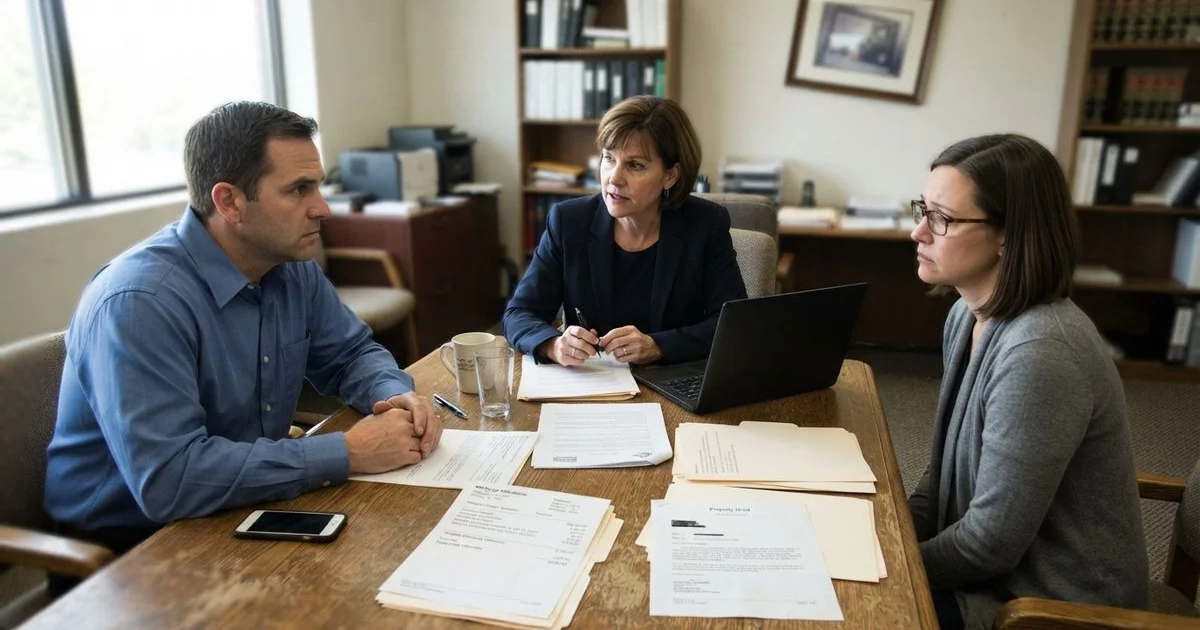
When a marriage is ending and a mortgage is behind, the two problems often make each other worse. Communication between spouses can break down right when a coordinated response to the mortgage default matters most, and figuring out who is responsible for what adds another layer of stress to an already difficult time.
The mortgage does not know about your divorce
If both spouses are named on the mortgage note, the lender can pursue either or both of you for the debt regardless of what a divorce settlement says about who keeps the house or who is supposed to make payments. A divorce agreement is binding between the spouses, but the lender was never a party to that agreement and is not bound by its terms. This is one of the most common and costly misunderstandings in this situation.
Common paths when foreclosure risk and divorce overlap
One spouse keeps the home and refinances. This removes the other spouse from mortgage liability, but it requires the remaining spouse to qualify for a new loan independently, based on their own income and credit.
Selling the home and splitting proceeds. If neither spouse wants to or can afford to keep the property, selling resolves both the mortgage default and the division of the asset in one step, particularly if there is still equity in the home.
A short sale, if the home is underwater. If the mortgage balance exceeds what the home is worth, a coordinated short sale can resolve the debt on better terms than a completed foreclosure, though it requires both spouses’ cooperation if both are on the loan.
One spouse stays and continues negotiating with the lender. If neither refinancing nor selling is realistic right away, loan modification or a repayment plan may still be an option while the divorce proceeds separately.
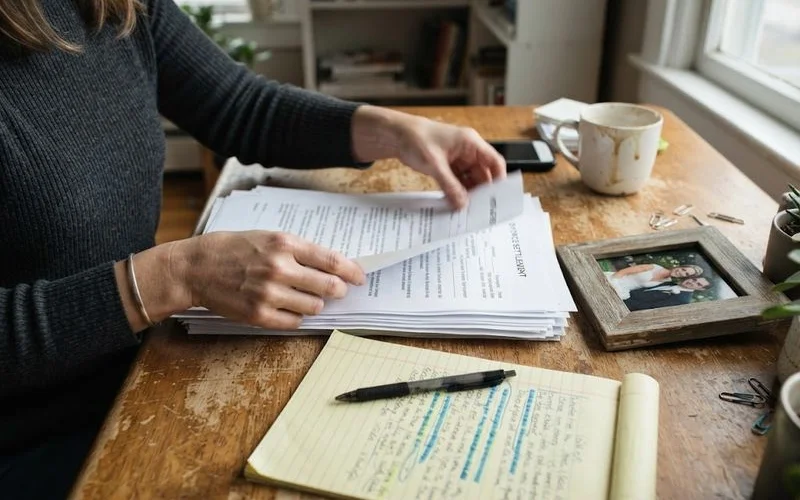
Coordinating the two legal processes
| Situation | Why coordination matters |
|---|---|
| Both spouses on the mortgage | Both remain liable to the lender regardless of the divorce terms |
| One spouse wants to keep the home | Refinancing eligibility depends on that spouse’s finances alone |
| Home is underwater | A short sale needs cooperation from both spouses if both are on the loan |
| Mortgage default is already active | A foreclosure attorney and divorce attorney may need to communicate directly |
Getting the right people talking to each other
Because a divorce attorney and a foreclosure or real estate attorney are handling different pieces of the same underlying problem, it helps enormously when they are aware of each other and coordinating, rather than each working from partial information. Bringing this up early with both attorneys, rather than treating the mortgage default as a separate issue, tends to produce better outcomes for both sides.
When one spouse is not cooperating
Divorce and financial stress can bring out real conflict between spouses, and sometimes one spouse stops engaging with mortgage paperwork or refuses to cooperate with a sale or refinance. If this happens, it does not remove the underlying mortgage obligation, and the foreclosure case will continue to move forward regardless of the state of the divorce. In these situations, it becomes especially important for the cooperating spouse to work directly with a foreclosure attorney to understand their own options and exposure, since waiting for full cooperation from an uncooperative spouse can mean losing time you do not have.
Protecting yourself if you are not on the mortgage
If your name is on the deed but not the mortgage note, or vice versa, your legal position in a foreclosure differs from a spouse who is on both. Someone on the deed but not the note generally is not personally liable for the debt but still has an ownership interest that can be affected by the foreclosure. Someone on the note but not the deed can be personally liable for the debt even without an ownership stake, depending on how the divorce settlement addresses the property. These distinctions matter enough that they are worth confirming specifically with an attorney rather than assuming based on how the household finances were generally handled during the marriage.
Keeping the household stable during a difficult overlap
Beyond the legal mechanics, a divorce happening alongside a mortgage default often means kids, shared finances, and daily logistics are all in flux at once. Where possible, separating the emotional and practical decisions, addressing the mortgage default with clear deadlines and options regardless of where the divorce negotiations stand, tends to prevent one process from indefinitely stalling the other. A coordinated, deadline-aware approach protects both spouses’ interests better than treating the mortgage as something that can wait until the divorce is fully settled. Divorce is not the only family situation that complicates a foreclosure case; the guide to helping an aging parent facing foreclosure covers a different version of that overlap.
You can browse attorneys handling foreclosure defense, loan modification, and real estate matters from the homepage, and this directory’s scoring method explains how those listings are ranked.
This article is general information, not legal advice. Property division and mortgage liability in divorce depend heavily on individual circumstances, so confirm your options with a licensed attorney.
Common questions
- Are both spouses responsible for the mortgage if we divorce?
- If both names are on the mortgage note, both remain legally responsible to the lender regardless of what a divorce settlement says about who keeps the house, unless the loan is refinanced into one spouse's name alone.
- Can a divorce settlement decide who is on the hook for a foreclosure?
- A divorce agreement can allocate responsibility between spouses, but it does not change what the mortgage lender is owed or who the lender can pursue. The lender is not a party to the divorce and is not bound by its terms.
- Should we sell the house before or during the divorce if foreclosure is a risk?
- This depends on your specific finances and timeline, and it is worth discussing with both a divorce attorney and a foreclosure or real estate attorney, since selling can sometimes resolve both the mortgage default and the property division question at once.
- What if one spouse wants to keep the house but cannot afford it alone?
- This usually requires refinancing the mortgage into that spouse's name alone, which depends on their individual income and credit qualifying for the loan on their own. If refinancing is not possible, keeping the home may not be realistic.