Helping an aging parent facing foreclosure: what adult children should know
By Diego Bennett · Updated 2026-08-23
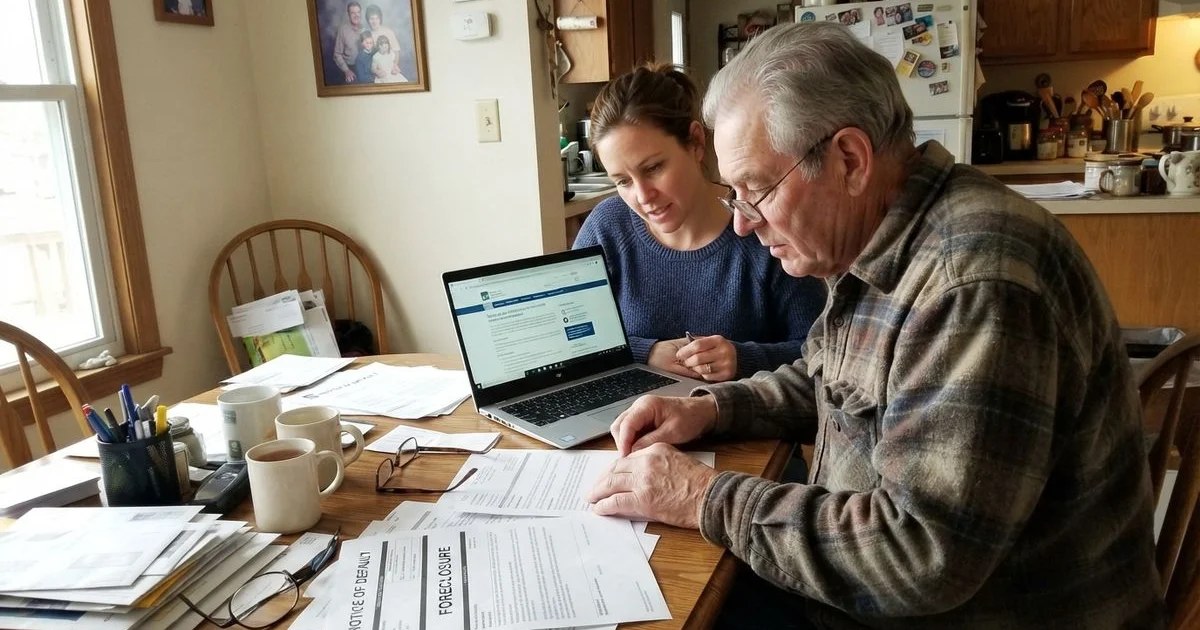
Watching a parent struggle with a mortgage they can no longer keep up with is difficult, and it often comes with a layer of complication that a homeowner facing this alone does not have: the legal case is not yours, but you want to help anyway.
Understand where your role starts and stops
If the mortgage is in your parent’s name only, the foreclosure case legally belongs to them. You can absolutely help by organizing paperwork, attending a consultation for support, and researching options, but formal legal steps in the case, like signing an answer or negotiating directly with the lender, generally require your parent’s involvement or a documented legal authority like a power of attorney if they are unable to act on their own.
Starting the conversation
Many adult children find that their parent is reluctant to bring up the problem at all, often out of embarrassment or fear of losing independence. Framing your offer to help around a specific, low-commitment step, like sitting in on a free consultation together, tends to work better than a broad conversation about the situation being serious. It turns “we need to talk about something hard” into “let’s just go find out what the options actually are.”

Practical ways to help
| What you can do | What it accomplishes |
|---|---|
| Help gather notices, statements, and paperwork | Speeds up any attorney or counselor review |
| Attend a free consultation together | Gets a clear picture of real options without pressure |
| Research whether a VA loan or reverse mortgage is involved | These loan types have different rules that matter |
| Discuss power of attorney with an elder law attorney if needed | Lets you act on their behalf if they cannot manage it alone |
| Encourage a HUD-approved housing counselor conversation | Free, structured help organizing the financial picture |
When cognitive or memory issues complicate things
If your parent is having real trouble managing the paperwork, deadlines, or decisions involved, it may be time to look into power of attorney or guardianship options with an elder law attorney, separate from the foreclosure attorney handling the mortgage case itself. Addressing this piece early prevents a situation where nobody has clear legal authority to act right when a deadline is approaching.
Watching for signs the situation is bigger than one missed payment
Sometimes what looks like a simple missed mortgage payment is actually a symptom of something larger, a parent quietly struggling to manage bills in general, unopened mail piling up, or confusion about how much money is coming in and going out each month. If you notice these patterns while helping with the foreclosure issue, it is worth having a broader conversation about ongoing financial support, whether that means you taking on a more regular role or bringing in a professional fiduciary or family member who can check in consistently.
Balancing respect for independence with the need to act
Many parents resist help because they do not want to feel like they are losing control over their own decisions, even when they clearly need support. One approach that tends to work is treating your involvement as gathering information together rather than taking over, letting your parent stay the one who makes final decisions whenever they are able to. This keeps their dignity intact while still getting expert eyes on the situation before a deadline passes.
Keep siblings and other family informed
If you have siblings or other close family, loop them in early rather than carrying the responsibility alone. Foreclosure timelines involve enough moving pieces, notices, consultation scheduling, paperwork deadlines, that sharing the load reduces the chance something slips through the cracks, and it also means more than one person understands what is happening if a decision needs to be made quickly. Family circumstances complicate a foreclosure case in other ways too; the guide to foreclosure and divorce covers what happens when a marital home is involved instead of a parent’s home.
Whether your parent’s mortgage involves a standard loan, a VA loan, or a reverse mortgage, a free consultation is a low-pressure way to understand what is actually at stake. You can browse attorneys across categories from the homepage, and this directory’s scoring method explains how those listings are ranked.
This article is general information, not legal advice. Legal authority to act on a parent’s behalf depends on your specific family situation, so confirm the right approach with an attorney.
Common questions
- Can I legally get involved in my parent's foreclosure case if I am not on the mortgage?
- You can help gather documents, attend meetings for support, and connect your parent with an attorney, but the legal case belongs to the person on the mortgage. Formal legal authority to act on their behalf, such as a power of attorney, may be needed for certain steps.
- What if my parent does not want to talk about the problem?
- This is common, especially when shame or fear is involved. Framing the conversation around getting a free, no-obligation consultation, rather than admitting failure, often makes it easier for a parent to say yes to getting help.
- Should I pay for my parent's attorney fees?
- That is a personal financial decision, but many firms offer a free initial consultation regardless of who is present, which lets you help without committing to any cost until you understand the options together.
- What if my parent has memory or cognitive issues that make this harder?
- If your parent is having difficulty managing paperwork or decisions independently, it is worth discussing power of attorney or other legal authority with an elder law attorney so someone can act on their behalf appropriately.