Facing foreclosure for the first time? A beginner's guide to your options
By Diego Bennett · Updated 2026-08-09
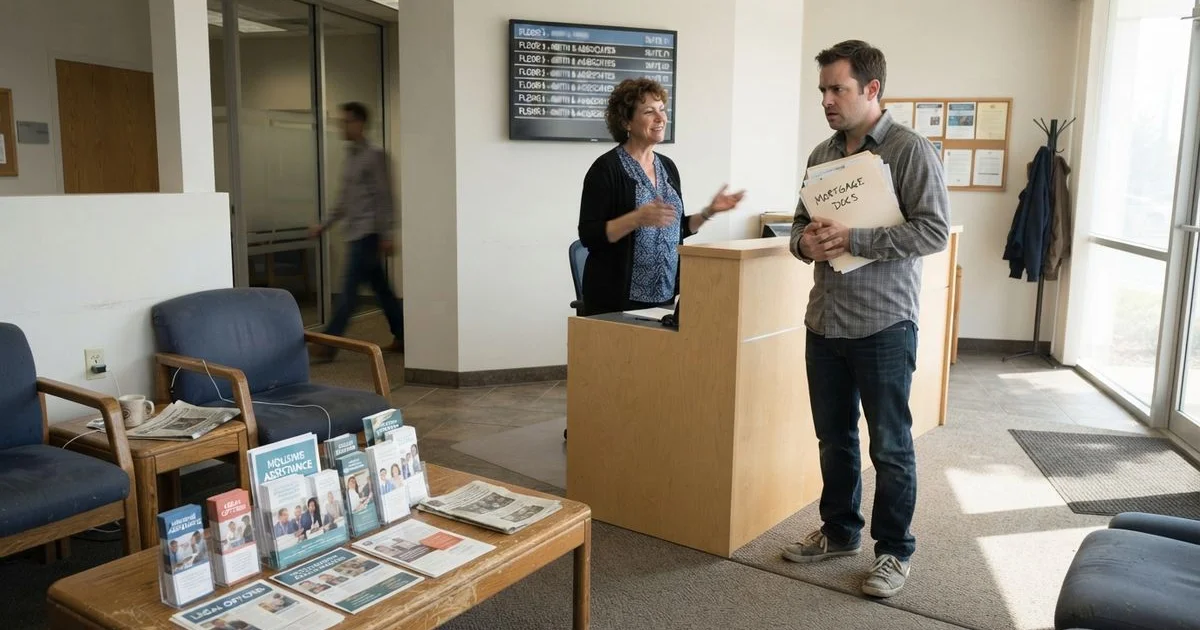
If you have never dealt with a foreclosure before, the paperwork and legal terms alone can feel overwhelming. The good news is that homeowners generally have more options than they expect, especially if they start exploring them early. This guide walks through the main paths in plain language.
Option 1: Catch up through forbearance or a repayment plan
If your financial trouble was temporary, like a job loss or medical issue that has resolved, your servicer may agree to pause payments for a set period or let you catch up gradually alongside your regular payment. This keeps the loan as-is and simply buys time to get current again.
Option 2: Change the loan terms through modification
A loan modification permanently adjusts your mortgage, sometimes the interest rate, sometimes the term length, to make the payment more affordable long term. This is a good fit when the issue is that your regular payment no longer fits your income, not just a temporary gap.
Option 3: Use Chapter 13 bankruptcy to spread out arrears
Filing Chapter 13 triggers an automatic stay that halts the foreclosure case immediately, then lets you repay your missed payments over three to five years while keeping current on your regular mortgage. This fits homeowners with steady income who mainly need time to catch up.
Option 4: Sell the home through a short sale or deed in lieu
If keeping the home is not realistic, a short sale lets you sell for less than what is owed with lender approval, and a deed in lieu transfers the property back to the lender directly. Both typically do less damage to your credit and finances than letting a foreclosure run its full course.
Option 5: Defend the case in court
If you have a legitimate defense, such as a question about who owns the loan or an improperly sent notice, an attorney can raise that defense formally in your answer to the lawsuit. This can slow or stop the case depending on what is found.
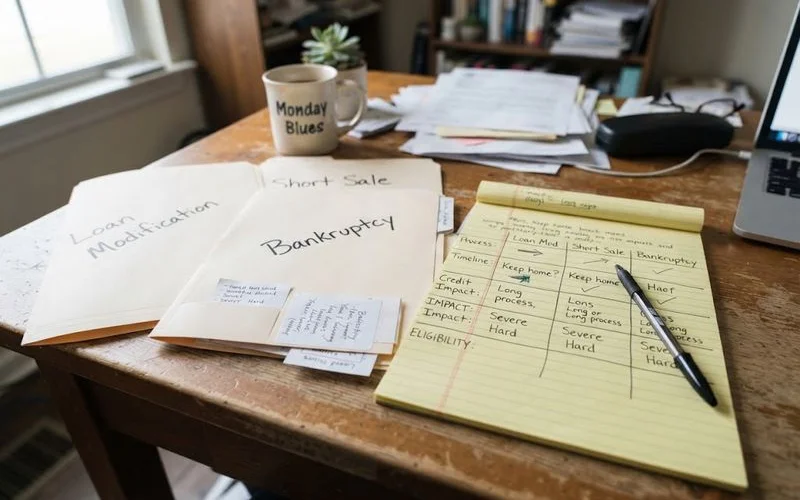
Matching the option to your situation
| Your situation | Options worth exploring first |
|---|---|
| Temporary hardship, now resolved | Forbearance or repayment plan |
| Payment is permanently unaffordable | Loan modification |
| Steady income, need time to catch up on arrears | Chapter 13 bankruptcy |
| Ready to move on, want to limit credit damage | Short sale or deed in lieu |
| Believe the lender’s paperwork or standing is flawed | Foreclosure defense litigation |
Common mistakes first-time homeowners make
A few patterns show up repeatedly among homeowners dealing with their first foreclosure. Ignoring mail from the servicer, out of stress or a sense that opening it will not change anything, is one of the most common, and it often means missing deadlines that were still very manageable. Assuming nothing can be done once a lawsuit is filed is another, when in reality most of the options above remain available even after being served. Waiting to talk to anyone, an attorney, a counselor, even a family member, until the situation feels like an emergency also tends to narrow the realistic choices simply because less time is left to work with.
How your emotions can work against good decisions
Facing a first foreclosure often brings a mix of shame, denial, and anxiety that can make it hard to think clearly about next steps. It helps to separate the emotional weight of the situation from the practical task list in front of you. You do not need to have processed everything about how you got here before picking up the phone for a free consultation. Treating the first call as simply gathering information, not as an admission of failure, makes it much easier to take that first step.
What a first conversation with an attorney usually covers
A first consultation typically starts with the attorney asking what notices or paperwork you have received and how far behind you are, followed by a discussion of which of the options above realistically fit your income and goals. You should leave that conversation with a clearer sense of your timeline, what your next deadline is, and what it would cost to move forward if you choose to hire that firm. If you leave without those three things, it is reasonable to ask for them directly or to get a second opinion.
Where to start
You do not need to pick the perfect option on your own. A free consultation with an attorney, or a conversation with a HUD-approved housing counselor, can help you figure out which of these paths actually fits your numbers and your goals. From the homepage, you can browse attorneys across all of these categories, including bankruptcy, loan modification, and litigation defense. This directory’s scoring method explains how those listings are ranked so you are not choosing blind.
This article is general information, not legal or financial advice. The right option depends on your specific finances and case details.
Common questions
- What are my main options if I am facing foreclosure?
- Broadly: catch up on missed payments through forbearance or a repayment plan, get the loan terms changed through a modification, use Chapter 13 bankruptcy to spread arrears over time, sell the home through a short sale or deed in lieu, or defend the case in court.
- Which option is best for me?
- It depends on whether you can afford the home long term, how far behind you are, and whether you want to keep the property. A consultation with an attorney or housing counselor can help match your situation to the right option.
- Do I need to decide everything right away?
- No, but earlier is better. Options like modification review and settlement conferences work best when there is still time before a judgment, so reaching out as soon as you know you are struggling preserves the most choices.
- Is it too late if I have already been served a lawsuit?
- No. Being served starts the case, it does not end your options. Filing a timely answer, attending the settlement conference, and exploring modification or bankruptcy are all still available at that stage.