What Chapter 13 bankruptcy costs when you're trying to save your home
By Diego Bennett · Updated 2026-08-01
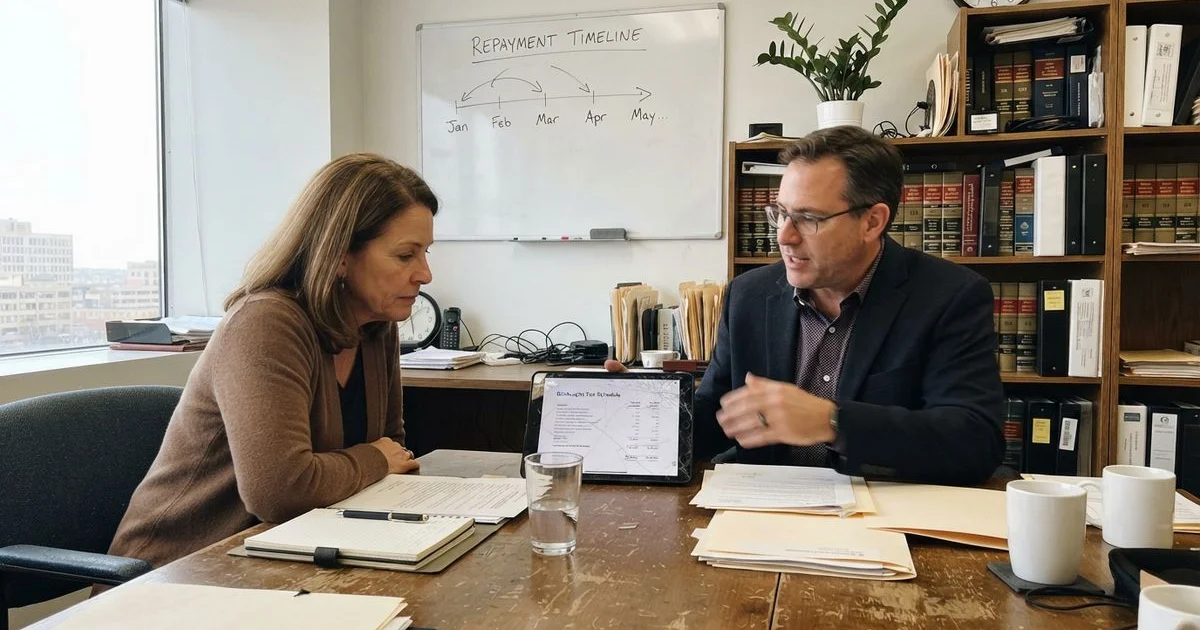
Chapter 13 bankruptcy is one of the more powerful tools available to a homeowner who is behind on payments but has steady income. It does not erase your mortgage debt, but it can stop a foreclosure in its tracks and spread your missed payments over several years instead of demanding them all at once.
What actually gets you the protection
The moment a Chapter 13 case is filed, an automatic stay goes into effect. This is a court order that immediately halts most collection actions, including a foreclosure sale that may already be scheduled. That pause is often the single most valuable part of the filing for someone trying to save their home, since it stops the clock while a repayment plan gets approved.
What Chapter 13 costs
Two separate costs are involved. There is a federal bankruptcy filing fee, and there is your attorney’s fee for preparing the case, representing you at the required meeting of creditors, and getting the repayment plan confirmed. Attorney fees for Chapter 13 are commonly billed as a flat rate rather than hourly, in part because bankruptcy courts often review and approve the fee as part of the case itself. Many firms structure part of that fee to be paid over the life of the plan rather than entirely up front, which matters a lot if cash is tight right now.

How the repayment math generally works
Your plan has to account for your total mortgage arrears, your regular ongoing mortgage payment, and your other debts, spread across a three to five year window. A longer plan length generally means smaller monthly payments but a longer commitment. Income stability plays a real role too: a variable or recently reduced income can limit how much a court will approve as a workable monthly payment.
| What affects the plan | Why it matters |
|---|---|
| Total arrears owed | Larger arrears generally need a longer plan to stay affordable |
| Plan length (3 vs 5 years) | Longer plans lower the monthly payment but extend your commitment |
| Income stability | Courts want a plan you can realistically sustain each month |
| Other debts included | Some plans consolidate more than just the mortgage arrears |
Is Chapter 13 the right tool for your situation
Chapter 13 tends to make the most sense when you have steady income and the case is really about catching up on missed payments, not about the underlying mortgage being unaffordable long term. If the mortgage itself is unaffordable, a loan modification or a sale may fit better. A bankruptcy attorney can walk through your numbers and tell you honestly whether the plan math works for your income.
What happens to your other debts
Chapter 13 does not only address mortgage arrears. Other unsecured debts, like credit cards and medical bills, typically get folded into the same repayment plan, often at a reduced payback rate compared to what you would owe if you paid them individually. This can actually free up more of your monthly budget for the mortgage arrears portion of the plan, since your total debt payment across everything is consolidated into one manageable court-approved amount rather than several competing bills.
Meeting of creditors and plan confirmation
After filing, you will attend a meeting of creditors, a relatively brief proceeding where the bankruptcy trustee and any creditors who choose to appear ask basic questions about your finances and the proposed plan. Most homeowners find this less intimidating than expected, since it is procedural rather than adversarial. After that, the court holds a confirmation hearing to formally approve your repayment plan. Your attorney handles both of these steps, though you are required to attend the meeting of creditors yourself.
What could put the plan at risk
The most common way a Chapter 13 case runs into trouble is falling behind on plan payments after confirmation, which can lead to the case being dismissed and the automatic stay ending, exposing you to foreclosure again. Life changes like a job loss partway through a three to five year plan are a real risk worth discussing honestly with your attorney before you file, since a plan that barely works on paper today may not hold up if your income changes.
You can compare attorneys who handle bankruptcy Chapter 13 filings to stop foreclosure in Islip Metro, and this directory’s scoring method explains how those rankings are built. The homepage is a good starting point if you also want to weigh loan modification or foreclosure defense litigation against the bankruptcy route.
This article is general information, not legal or financial advice. Bankruptcy outcomes depend heavily on individual circumstances, so confirm your options with a licensed attorney.
Common questions
- How much does it cost to file Chapter 13 bankruptcy?
- There is a federal court filing fee plus your attorney's fee, which is usually billed as a flat rate. Many attorneys allow the fee to be paid partly up front and partly through the repayment plan itself, since Chapter 13 filers are often working with tight cash flow.
- Does Chapter 13 actually stop a foreclosure sale?
- Filing triggers an automatic stay, which immediately pauses most collection actions, including a scheduled foreclosure sale, while the case is open. It does not erase the debt, but it buys time to catch up through the repayment plan.
- How much of my mortgage arrears do I have to repay?
- Generally all of the missed payments, called arrears, get folded into a court-approved plan lasting three to five years, on top of your regular ongoing mortgage payment. The exact amount depends on your total arrears and your income.
- Can I keep my house through the entire Chapter 13 process?
- As long as you stay current on the plan payments and your ongoing mortgage, yes. Missing plan payments can put the case, and your home, at risk again, so realistic budgeting before you file matters.