Buying a foreclosed or bank-owned home in New York: what closing looks like
By Diego Bennett · Updated 2026-08-21
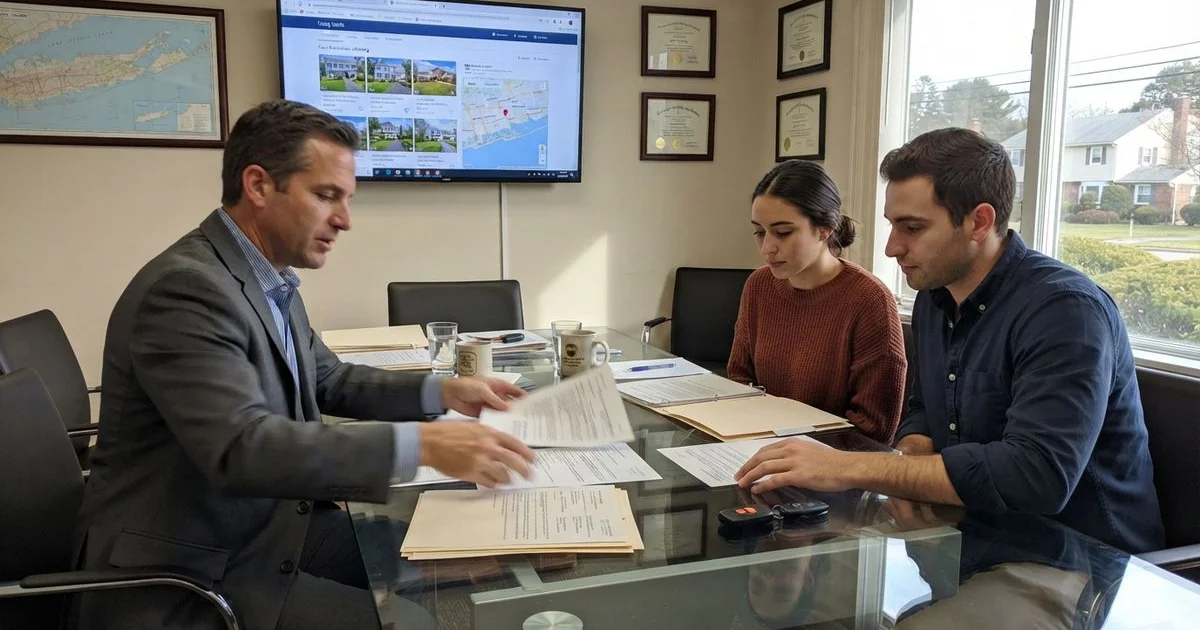
Foreclosed properties can be a genuine opportunity to buy below typical market value, but the path to closing looks different from a standard home purchase. Understanding those differences up front helps you avoid surprises after you have already committed.
Two very different buying paths
Buying at the foreclosure auction. This happens at the courthouse steps or an online auction platform, and it typically requires payment in full or a substantial deposit almost immediately. Inspections beforehand are often limited or not possible at all, and you are generally buying the property as-is, with whatever title issues or occupants may still be present.
Buying a bank-owned (REO) home. Once a lender takes back a property through foreclosure and it does not sell at auction, it becomes real estate owned, or REO, and is typically listed and sold much like a standard resale. This path usually allows for a normal inspection period and a more conventional closing process, though the property may still be sold as-is regarding repairs.
What makes the closing different
Title issues come up more often with foreclosed properties than with a typical resale. The chain of ownership through a foreclosure sale, any liens that survived the process, and whether all prior owners’ rights were properly extinguished can all affect whether you are getting clear title. A thorough title search, and title insurance, matter even more here than usual. Many of these listings started with a seller trying to avoid foreclosure in the first place; the guide to short sales and deed in lieu explains that process from the other side of the transaction.

A comparison of the two paths
| Factor | Auction purchase | Bank-owned (REO) purchase |
|---|---|---|
| Inspection access | Often limited or unavailable | Usually available, similar to a standard sale |
| Payment timing | Often immediate or near-immediate | Standard closing timeline |
| Title clarity | Can require extra diligence | Typically cleared before listing, but still verify |
| Financing | Often requires cash or hard money | Conventional financing usually workable |
| Overall risk level | Higher | Lower, closer to a typical purchase |
Why a real estate attorney matters here
New York generally expects an attorney to be involved in residential closings, and for a foreclosed property that involvement is especially valuable. An attorney can dig into the title report for gaps left over from the foreclosure process, confirm the contract properly addresses the property’s as-is condition, and make sure any remaining occupancy issues are resolved before you take possession.
Occupancy is its own issue
A foreclosed home is not always vacant when you buy it. Sometimes the former owner has not moved out, and occasionally a tenant with their own lease is still living there. Buying a property with an occupant already inside adds a layer of complexity beyond a typical closing, since removing someone after you take title involves its own legal process. Before you commit to a purchase, ask directly whether the property is vacant, and if it is not, make sure the contract spells out who is responsible for handling occupancy before or after closing.
Budgeting beyond the purchase price
Foreclosed and bank-owned homes are often sold as-is, and deferred maintenance is common, since the prior owner was frequently unable to keep up with repairs before the foreclosure. Even with a normal inspection period on an REO purchase, budget for the possibility of larger repair costs than a standard resale might carry. Auction purchases carry even more uncertainty here, since you may be committing to buy before you have seen the interior at all.
A realistic timeline
| Step | Auction purchase | REO purchase |
|---|---|---|
| Finding the property | Auction listings, often with short notice | Multiple listing service, similar to standard resale |
| Due diligence window | Very limited, sometimes none | Days to weeks, similar to standard resale |
| Financing arranged | Usually before bidding, often cash | Standard mortgage approval timeline |
| Closing | Can be same-day or within days | Weeks, similar to a typical closing |
Because the auction path compresses so many steps that would normally happen over weeks into a single day, most first-time foreclosure buyers are better served starting with REO listings, where the process more closely resembles a purchase they may already be familiar with.
You can compare attorneys who handle real estate and title closings in Islip Metro, and this directory’s scoring method explains how those listings are ranked. Visit the homepage if you are also exploring other categories related to foreclosure.
This article is general information, not legal advice. Closing requirements and title issues vary by property, so confirm the specifics with a licensed real estate attorney.
Common questions
- What is the difference between buying at auction and buying a bank-owned home?
- Auction purchases happen at the foreclosure sale itself, often with limited inspection access and immediate payment requirements. Bank-owned, or REO, homes are properties the lender already took back and is reselling through a more typical listing and closing process.
- Do foreclosed homes come with clear title?
- Not always automatically. Title issues, such as unresolved liens or a contested chain of ownership from the foreclosure itself, can surface. A title search and title insurance are especially important on these purchases.
- Can I still get a home inspection on a foreclosed property?
- For bank-owned homes sold through a normal listing, usually yes. For auction purchases, inspection access is often limited or unavailable before you commit to buying, which adds real risk.
- Why would I want a real estate attorney for this type of purchase?
- A real estate attorney can review the title report closely, confirm the property is being sold with clear title or flag issues before you close, and make sure the contract accounts for the property's condition and any occupancy status.